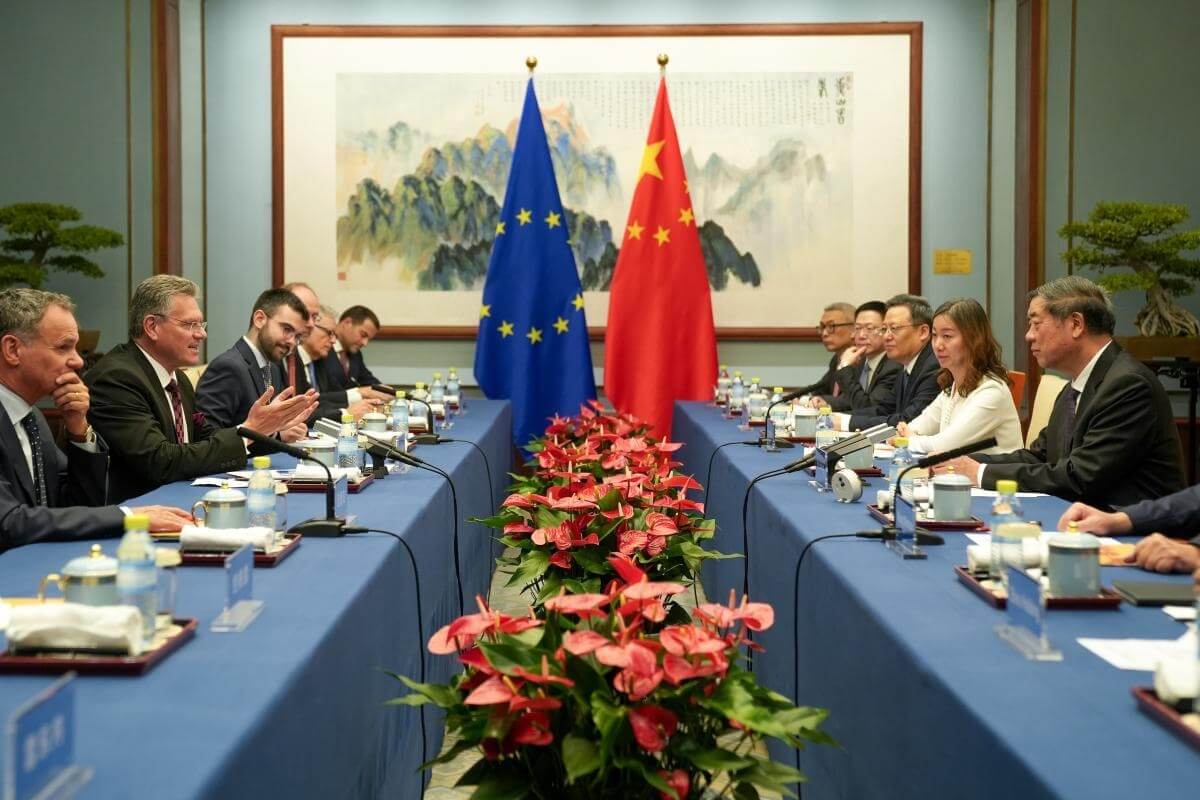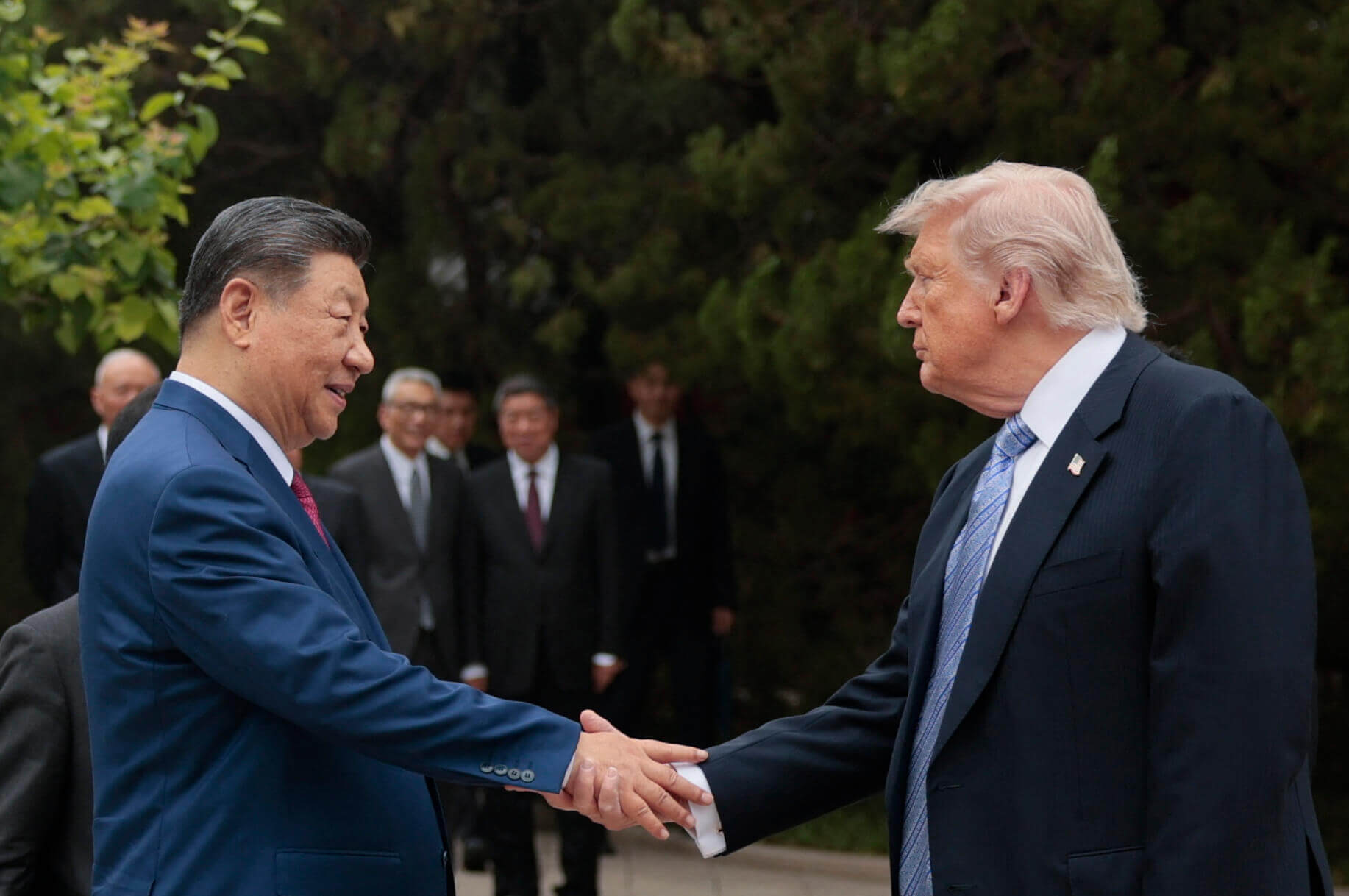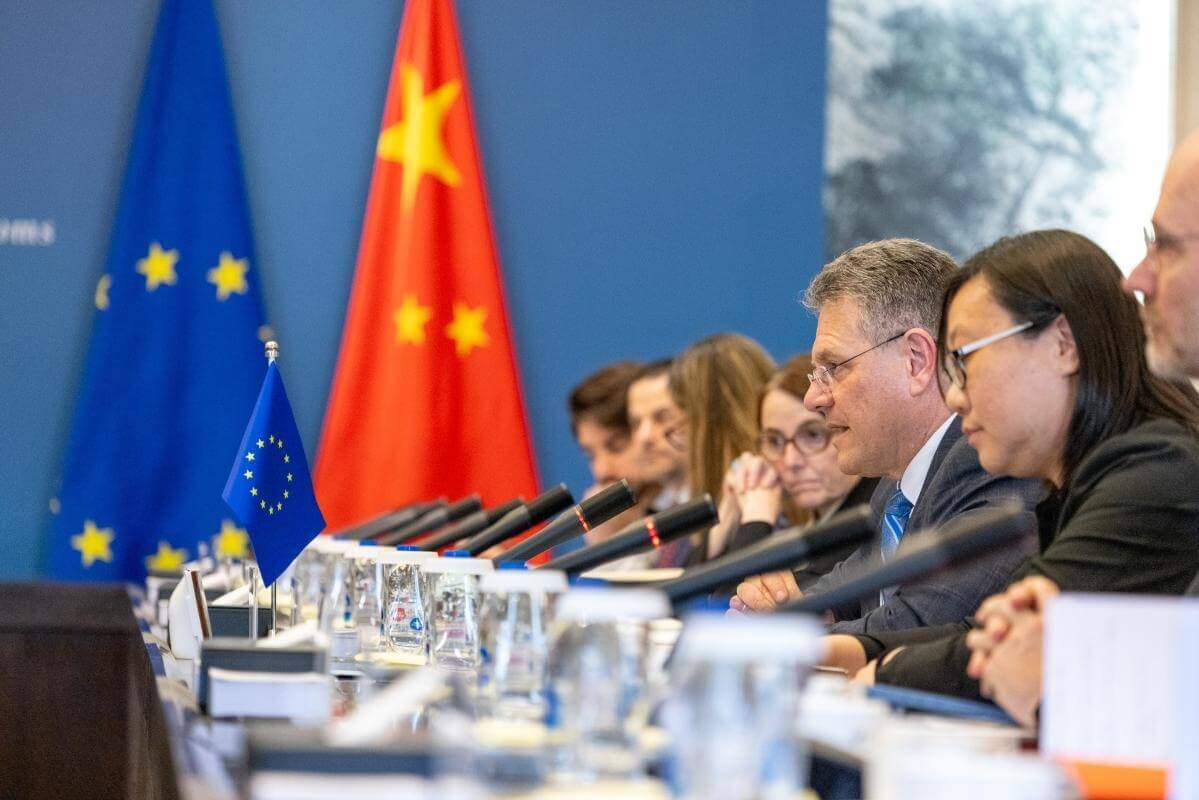
The EU should make no mistake, President Trump’s August 1 deadline and most recent threat of imposing 30% tariffs on the EU is not a play for further discussions, it’s terms of surrender. After months of hoping for a deal with the US President, the EU is left with nothing. Now is the time for Europe to take a step back and reconsider rushing to an agreement with Trump, because sometimes a tough stance and no deal is better than a bad deal.
In the months that have passed since President Trump’s ‘Liberation Day’ tariff announcement, the EU has waited quietly for signs of appeasement, holding back its own retaliation to unnerve neither Trump, nor the markets.
With no good news forthcoming, the emphasis turned over the last weeks towards a UK-style damage limitation deal seeking to extract some concessions from the US while leaving many, if not most, of Trump’s tariffs unaddressed.
If recent reporting is correct, the terms would leave the flat 10% tariff in place and provide tariff-free quotas for some goods, most notably autos.
Such a deal would be a poor fit and result for the Union. It would likely undermine foundational principles of the international trade regime, which the EU claims to protect. Given quotas, the EU27 would fight among themselves to fill them, and pit member states against each other.
Most harmfully, a bad deal would severely limit the EU’s credibility in resisting coercive bargaining and organising countries seeking to uphold a multilateral trading system.
Rather than this ill-considered, and failed, strategy, the EU should eschew short-term inclinations to ward off Trump – he will always be back for more anyway – in favour of pushing back, hard, against US pressure.
With the benefit of hindsight, the EU would have been better off answering the US vigorously already in April, in a one-two combo with China’s retaliation against the US tariff hikes, which left markets and Trump reeling in the first half of April.
If countries resist him, Trump’s negotiating hand is weak. His agenda is not only causing substantial near-term damage to the US economy but is also fundamentally threatening America’s global standing and competitiveness.
Faced with China’s muscular response, US negotiators ultimately ate humble pie in Geneva on May 11, and have suffered additional pressures and the humiliation of being checkmated on access to Chinese rare earths since.
As we argued in our ‘Liberation Day’ report, it makes sense for the Union to hold back its fire only if it is readying a vigorous ‘one day, one strike’-fightback that is significant enough for Trump and markets to listen.
We live in Trump’s world now, and in this new world of pressure and counter-pressure, you need not only capabilities, as Henry Farrell, author of Underground Empire, recently said. “You need to have credibility as well. Europe does not have credibility.” Even clearer from Paul Krugman: “Europe needs to overcome its learned helplessness and act like the great power it is.”
It is not enough for the EU to build an arsenal of trade weapons it says it never wants to use. At some point the bark will have to give away to bite and one thing is certain as its credibility is on the table: the EU cannot give in to Trump’s tactics.
Europe finds itself in a brave new world. The rules-based order in which the Union thrived is ending. A new one based on coercive bargaining is taking its place.
Trump prefers dealing with allies and adversaries alike through threats and coercion, rather than through the slow processes of international organisations and mediation. “Do as I say, or else…”, is the clear message from across the Atlantic.
Trump coming after the European Union was wholly predictable. The man nurtures a personal dislike of the Union, which he claims was created to rip off the US. All the signs from proxies of the US administration and Republican hangers-on have pointed to a transatlantic showdown.
With Trump’s fresh onslaught, the EU is facing a new opportunity – and necessity – to stiffen its back.
Now is the time to stand firm and strike back if necessary. Up until this point, the Commission has answered Trump’s antics by holding back a response of its own. It has prepared and consulted member states on tariffs on more than €120 billion in US goods, but also this will only take it so far.
To really hit the US where it hurts, it will have to go after US services. Making use of its much-vaunted trade bazooka, the Anti-Coercion Instrument, the EU can rebalance relations by imposing digital taxes on US tech, as argued by Gabriel Zucman, and taking steps to limit Europe’s reliance on US cloud services through public procurement.
In a world of coercive bargaining, you cannot show weakness. Europeans may not like it, and the EU should certainly continue its efforts to revitalise existing multilateral frameworks and build new ones where needed, but the worst thing it can do is to let Trump smell blood.
It’s clear he views the EU as a target ripe for bullying. Do not prove him right.