16 Dec 2025 | Events
Europe's make-or-break moment: Putting economic security at the heart of the EU's strategic agenda
Since its inception in 2022, the Brussels Economic Security Forum (BESF) has become Europe’s leading platform and research initiative on economic security. The EPC has been instrumental in defining economic security as a central tenet of EU policy, doing so through speeches, including European Commission President Ursula von der Leyen’s seminal March 2023 address on EU–China economic relations, and through publications such as the project’s framing paper.
Through research, policy dialogue, and multi-stakeholder engagement, BESF brings together industry leaders, EU institutions, Member States, third-country governments, and a global network of think tank partners. Over late 2025 and early 2026, the Forum will focus on three core priorities: Securing Europe’s Backbone: Critical Infrastructure and Cybersecurity; Europe’s Geo-Industrial Deal: Trade and Industrial Renewal; and Technological Competitiveness and Sovereignty. Additional dimensions, including health and biotechnology, energy security, and maritime infrastructure, will also be explored, building on research from the Forum’s inaugural cycle.
Prepare
The prerequisite of preparing for the world of new pressures and challenges is the essential starting point for the EU’s economic security strategy. It needs to involve a solid understanding of today’s geopolitical inflection points. On this basis, an analytical capacity concerning critical resources, technology & value chains must be built. The EU decision-making should be underpinned by newly formed ‘Economic Security Council’.
Promote
The objective of promoting value creation in the EU is about ensuring that the EU’s growth and development model remains vibrant in the face of growing international competition. The EU needs to build strategic technological leverage and stimulate industrial competitiveness. Its aim should also be to leverage the Single Market to scale fragmented European efforts and develop an EU investment framework for key assets.
Protect
The need to protect the European interest is a function of intensifying tendencies to disrespect the rules of the global multilateral system and distort the level playing field. In a world of disruptions, the EU must protect its critical infrastructure as well as the provision of energy, food and health. It has to look after its cyber-resilience and security. The available toolkit needs to be adapted to these objectives by refining trade defence instruments and deploying autonomous tools.
Partner
As an open economy relying on extensive supplies of critical materials and resources, the EU must remain a globally engaged actor, pursuing new partnerships and revitalising old ones. It should pursue its de-risking strategy through diversification and the deepening of trade relations with a broader range of countries. At the same time, it should develop bilateral and plurilateral partnerships with like-minded countries.
Relevant publications
Data Corner: Economic security at a glance
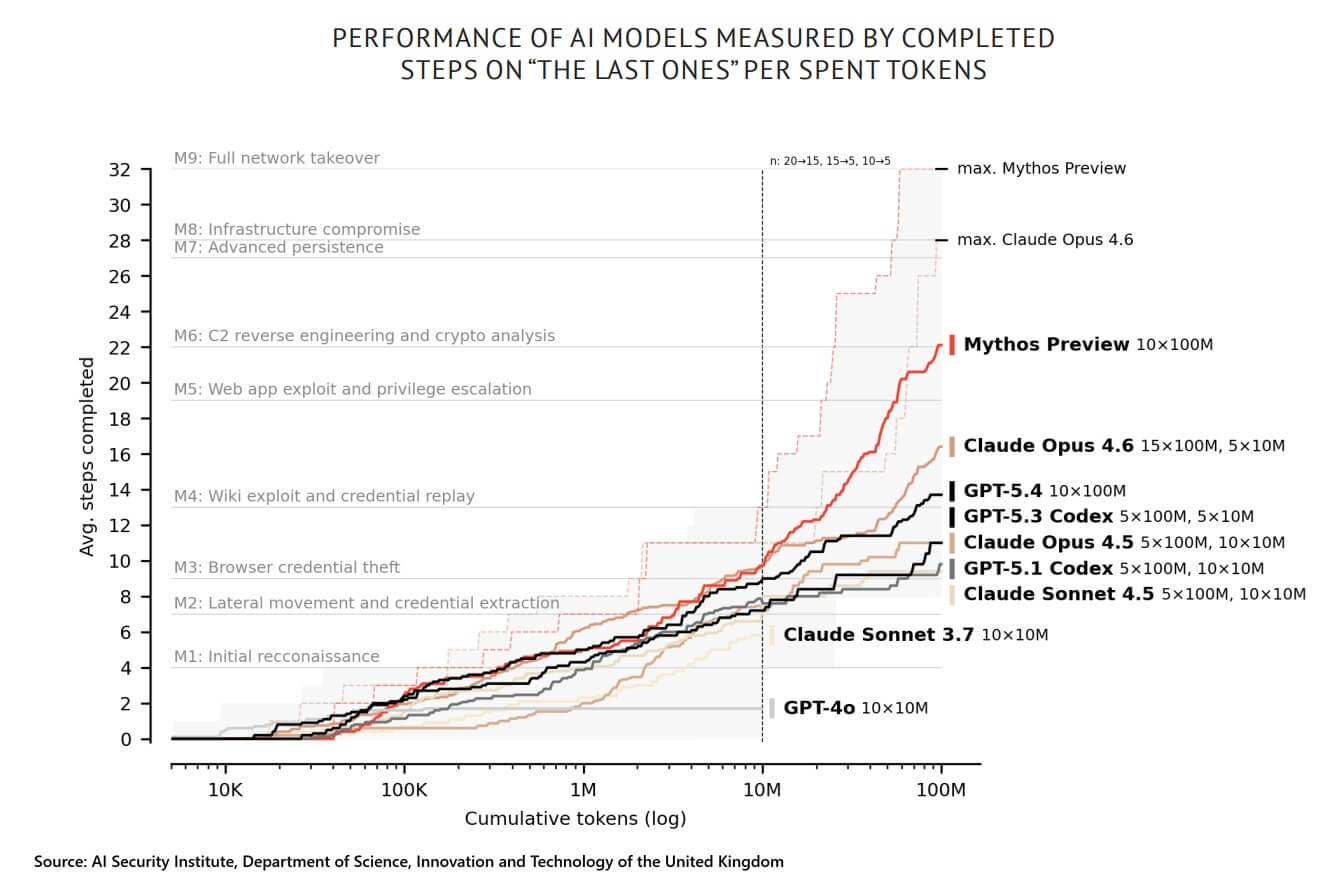
AI, cybersecurity and the EU policy gap
30 Apr 2026
| Source
Frontier AI models are reshaping the balance between offensive and defensive cybersecurity, exposing growing gaps in existing policy frameworks. Recent evidence shows a sharp increase in the ability of advanced systems to autonomously identify and exploit vulnerabilities, compressing the time between discovery and attack. While these capabilities can strengthen cyber defence by accelerating patching, they also lower barriers for malicious actors and scale offensive operations. This dual-use dynamic is not new, but AI is intensifying it, outpacing governance mechanisms designed for slower, case-by-case vulnerability management. In the EU, this mismatch is increasingly visible in the revised Cybersecurity Act, which acknowledges emerging technologies but does not prioritise the risks posed by frontier AI models. Without adapting its framework to AI-scale vulnerability discovery and response, the EU risks falling behind in securing critical infrastructure and shaping the governance of AI-enabled cyber capabilities.
Testimonies
“I would like to congratulate the European Policy Centre. The work of think tanks has never been more important for Europe. From the outset, you have been a truly European voice in the world of policy and academia.”
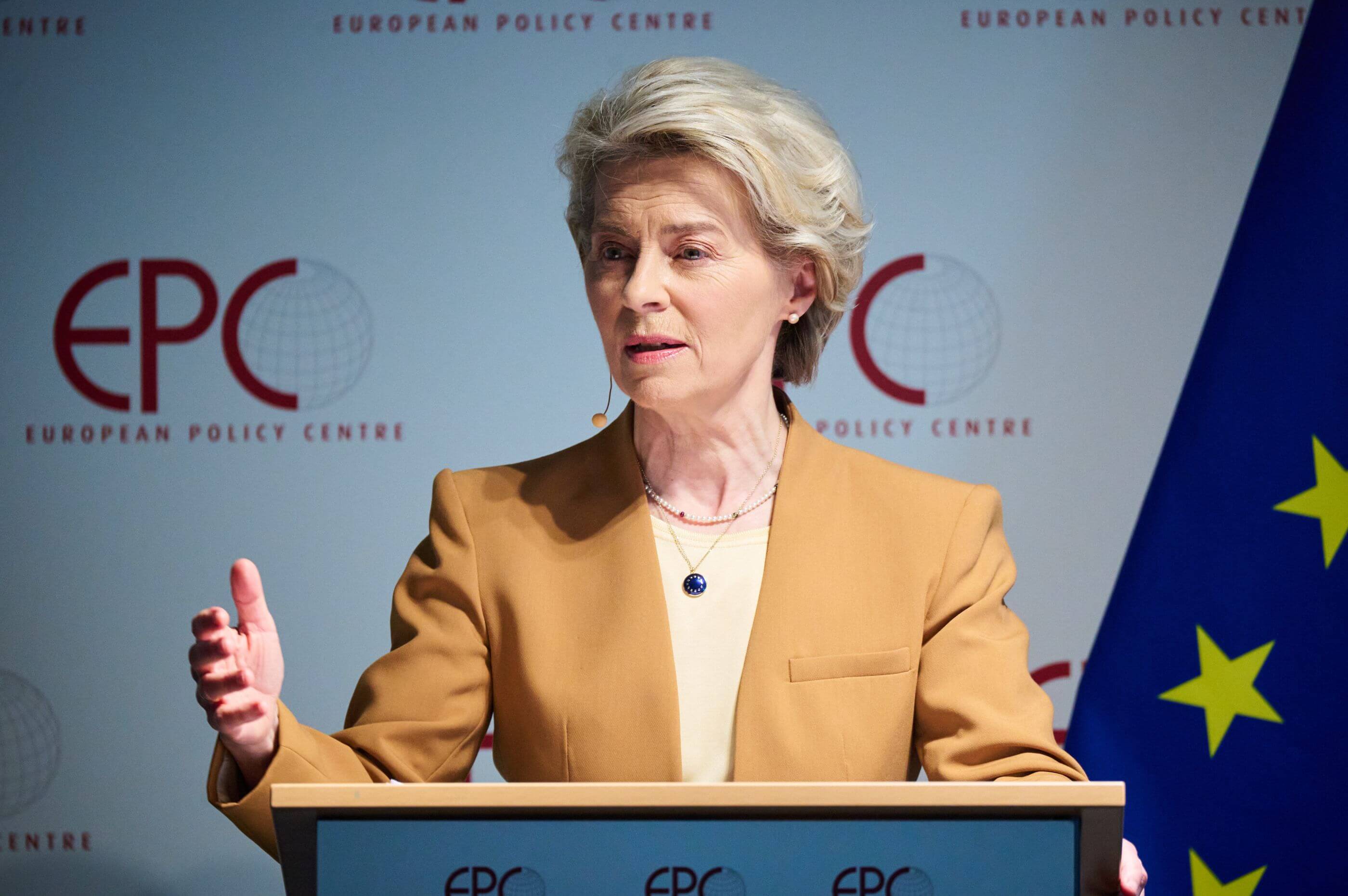
Ursula Von der Leyen
President of the European Commission
“Economic security has become one of the key priorities of our time. The degree to which we succeed will define our economies, businesses and societies for the decades to come. Forums such as the Brussels Economic Security Forum play an important role in bringing together policymakers, industry, and partners to shape Europe’s response in an increasingly complex global environment.”
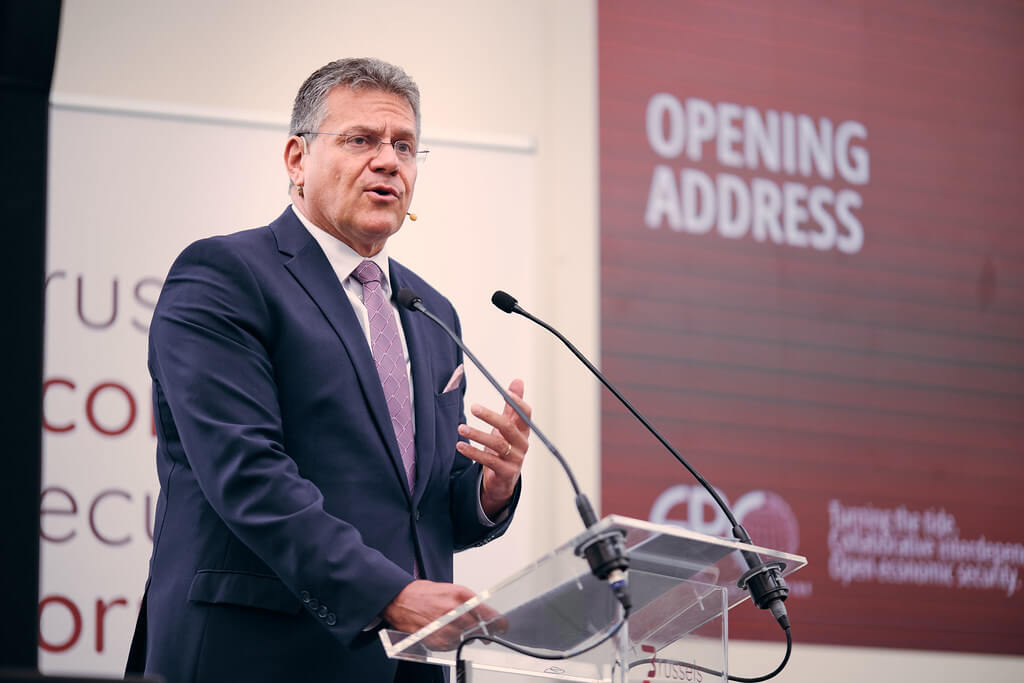
Maroš Šefčovič
European Commissioner for Trade and Economic Security
“I want to thank the European Policy Centre for launching the Brussels Economic Security Forum. The topic of economic security is essential in today’s world, as we all know, and I’m sure the discussions we have here will continue to be highly relevant for years to come.”
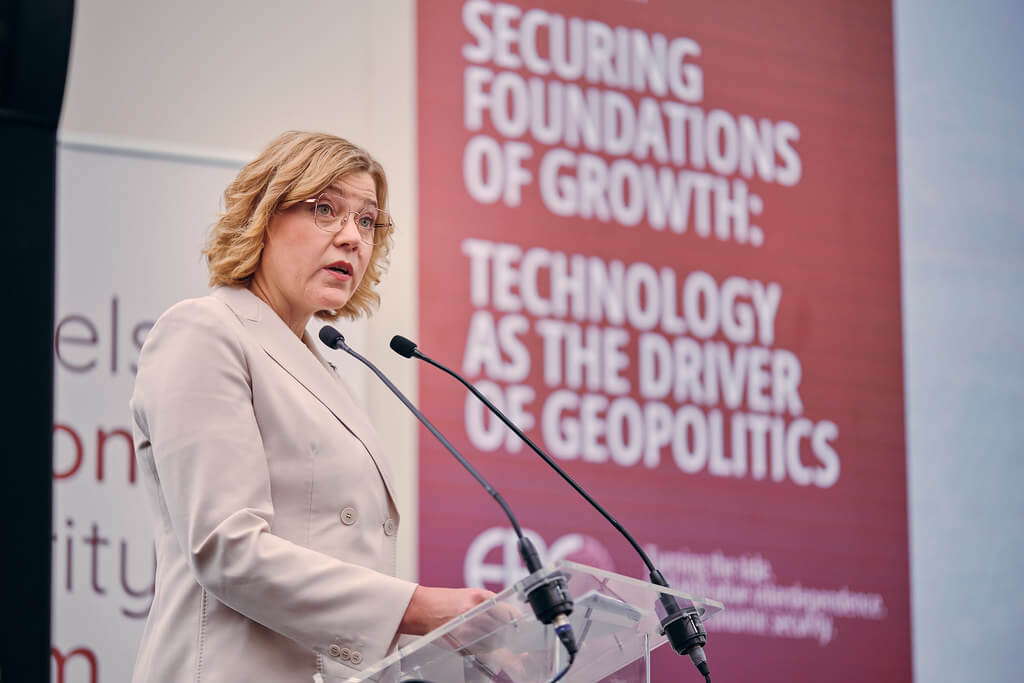
Henna Virkkunen
Executive Vice-President for Tech Sovereignty, Security and Democracy
"It’s really an honour to speak at the Brussels Economic Security Forum with such astute trade, business and economic thinkers, and given the challenges we’re facing, this forum on reinventing the level playing field is all the more important."
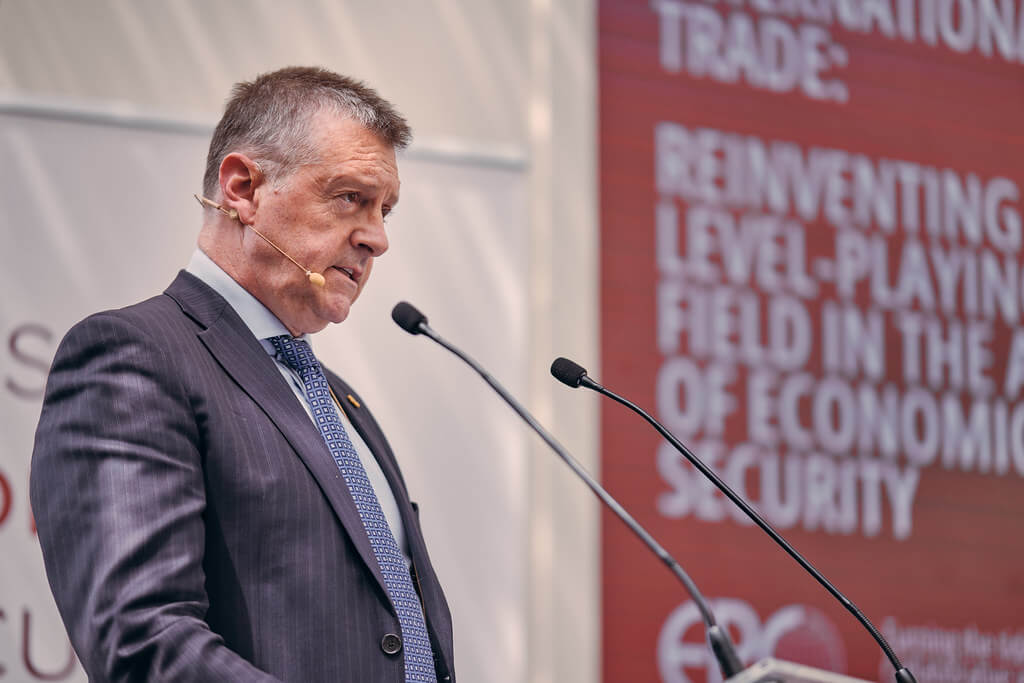
Rob Stewart
Deputy Minister of Trade of Canada
"We are witnessing new forms of economic security challenges intersecting with issues like climate change, technological development, and migration. Yet, we still lack the institutions capable of addressing how these complex problems relate to one another and of developing effective solutions. Forums like this are essential spaces to begin shaping those solutions."
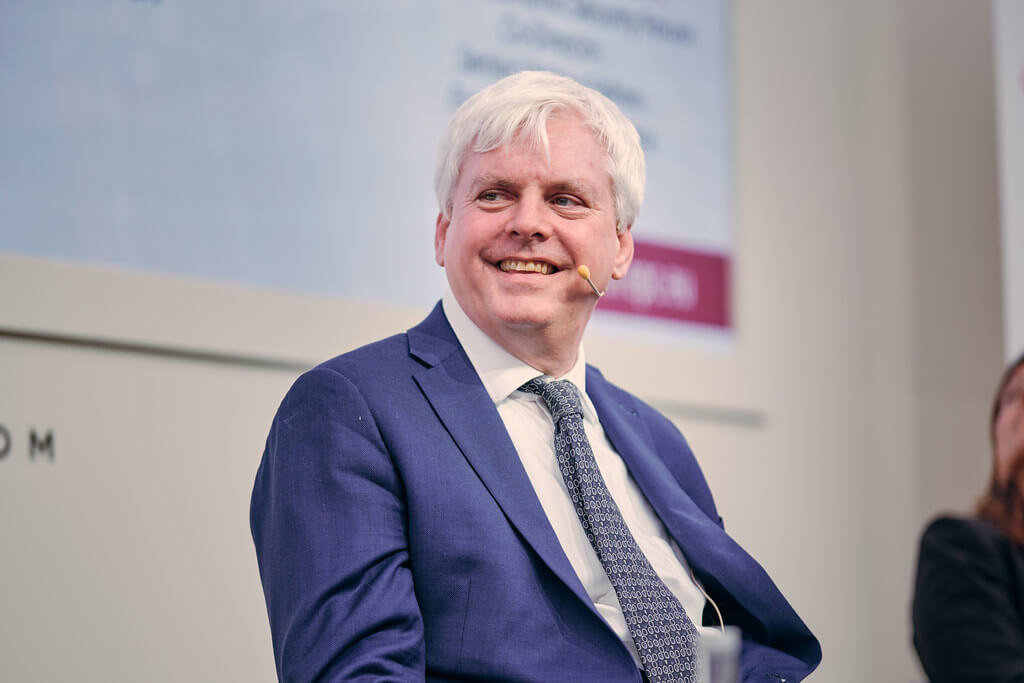
Henry Farrell
Professor, Johns Hopkins SAIS; Co-author of Underground Empire: How America Weaponized the World Economy